Official statements issued by a US Department of State spokesperson, as reported by Sky News, indicate that Washington continues to pursue illicit financing networks and entities facilitating financial transactions for armed factions in Iraq—foremost among them "Kata'ib Hezbollah," which is designated by the US as a Foreign Terrorist Organization (FTO).According to the State Department, these measures fall under the "maximum economic pressure" policy pursued by President Donald Trump’s administration to counter what it described as the exploitation of corruption proceeds and harm to the Iraqi economy.
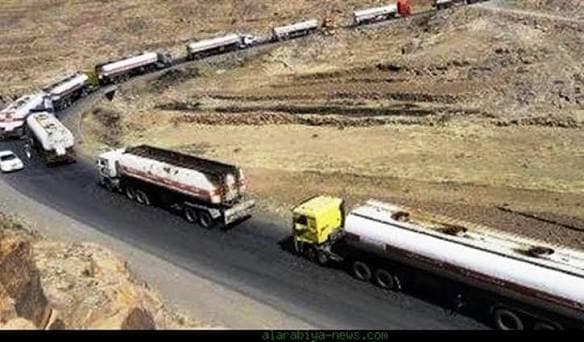
These international statements coincide with domestic regulatory and judicial moves, as Iraqi authorities have opened an official investigation into allegations of oil derivative smuggling in the Jurf al-Sakhar area, north of Babil Governorate,following the circulation of intelligence reports and information regarding smuggling activities in the region.
Legal and Regulatory Dimensions of Tightened Financial Oversight in Iraq
These simultaneous developments—both in terms of international sanctions and Iraqi judicial investigations—place heightened legal responsibilities on financial institutions, general trading companies, and businesses operating in the energy and transport sectors. The primary legal implications can be summarized as follows:
Tightened Compliance Standards and Bank Transfers: The international pursuit of illicit financing networks leads to stricter banking scrutiny of cross-border financial transfers, requiring Iraqi and foreign companies to prove the source of funds and disclose Ultimate Beneficial Owners (UBOs) to avoid asset freezes or placement on international sanctions lists (such as those maintained by the US Office of Foreign Assets Control, OFAC).
Legal Penalties for Smuggling Oil Derivatives: Under the Anti-Smuggling of Oil and Its Derivatives Law No. (41) of 2008, Iraqi law criminalizes all forms of illegal transportation, storage, or trading of petroleum products.Penalties include imprisonment, confiscation of funds and means of transport, as well as the closure of violating facilities and revocation of their licenses.
Enforcement of the Anti-Money Laundering and Counter-Terrorism Financing Law: The Iraqi Anti-Money Laundering and Counter-Terrorism Financing Law No. (39) of 2015 obligates financial institutions and Designated Non-Financial Businesses and Professions (DNFBPs) to report any suspicious transactions and implement due diligence measures toward clients and suppliers.
How Can Companies and Commercial Institutions Protect Themselves from Legal Risks?
Amid a stringent domestic and international regulatory environment, legal compliance is no longer an administrative choice, but a necessity to protect business continuity and avoid criminal and financial liability. Legal departments advise companies operating in Iraq to take the following preventive steps:
Supply Chain Legal Due Diligence: Thoroughly vet the legal background of suppliers, subcontractors, and transport companies to ensure they have no links to unlawful activities or sanctioned entities.
Updating Internal Compliance Policies: Establish clear internal regulations to combat money laundering and administrative corruption, and train financial and administrative staff to detect unusual transactions.
Documenting Contracts and Commercial Operations: Maintain accurate accounting records and officially notarized contracts for all commercial deals and the movement of goods and petroleum derivatives to demonstrate a sound legal standing before regulatory and judicial authorities.
Does your company need a review of its financial compliance policies or a legal audit? Our firm comprises a team of lawyers and consultants specializing in banking compliance laws, anti-money laundering, and commercial contracts in Iraq to help businesses operate safely in accordance with local and international legal standards. [Contact us today to book a confidential legal consultation].