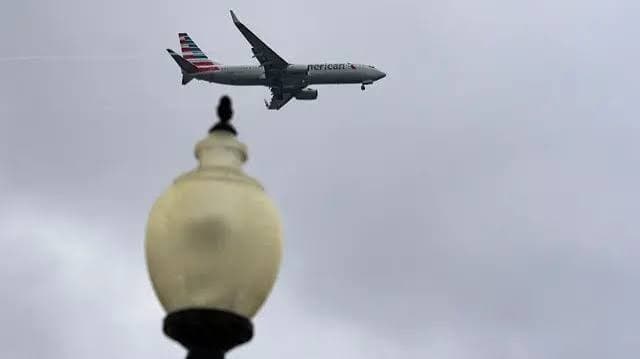
Today, Saturday, November 14, 2026, the US Federal Aviation Administration (FAA) issued an urgent directive halting the departure of all flights from all airports across the United States until further notice, following a technical failure in communications systems that directly impacted air traffic control centers nationwide.
According to Reuters, the federal directive mandated that all departing aircraft remain grounded due to aviation safety reasons and extraordinary circumstances. For his part, US Secretary of Transportation Sean Duffy explained that the nationwide halt resulted from an outage in the communications networks linking air traffic control centers along major routes, affirming that FAA technical teams have launched an investigation into the causes of the failure to resolve it and safely resume air traffic.
Legal Characterization of the Air Traffic Halt: Does It Constitute "Force Majeure" or an "Extraordinary Circumstance"?
The sudden airspace closure and suspension of domestic and international flights raise critical legal questions regarding airline liability, air cargo carrier obligations, and passenger rights. From an international legal perspective, evaluating this incident rests on two core principles:
The Concept of Extraordinary Circumstances: Civil aviation regulations (including US Department of Transportation rules, European regulations, and the 1999 Montreal Convention) classify external failures beyond an airline's control—such as outages in government-run air traffic control systems—under extraordinary circumstances related to aviation safety.
Duty of Care vs. Financial Compensation: In cases of delays or cancellations resulting from sovereign directives by aviation authorities to ensure safety, airlines are generally exempted from paying additional financial compensation for delays. However, they remain legally obligated to provide basic care to passengers (such as rebooking on the next available flight, offering a full ticket refund, and providing accommodation and meals during extended waits, in accordance with each air carrier's policies).
Impact of the Flight Suspension on Shipping and International Trade Contracts
The repercussions of an air traffic standstill in a country the size of the United States extend beyond individual passengers to impact supply chains and commercial air freight contracts for importing and exporting companies worldwide,including businesses operating in Iraq and the wider region:
Invoking Force Majeure Clauses: Delays in the arrival of air-freighted goods may result in a breach of agreed-upon delivery schedules in commercial contracts, requiring companies to review their agreements to determine the applicability of the "Force Majeure" clause and issue formal notices to the counterparty to avoid late-delivery penalties.
Commercial Insurance Claims: It is crucial to review air cargo insurance policies to verify coverage for delay-related losses or the spoilage of time-sensitive goods (such as pharmaceuticals and food products) resulting from air navigation disruptions.
Have your contractual obligations or commercial shipments been affected by international flight delays or cancellations? Our legal team offers specialized consultations in international transport and shipping contracts, insurance claims, and drafting and invoking force majeure clauses to protect businesses and investors. [Contact us today for a specialized legal consultation].