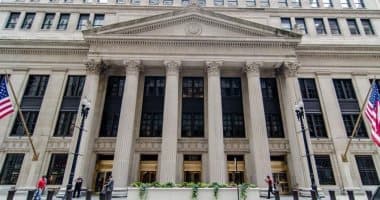
The US Federal Reserve has decided to keep interest rates unchanged within a target range of 3.5% to 3.75%, maintaining a steady rate since the beginning of the year amid a split vote (9 votes in favor versus 3 dissenting members calling for a rate hike). The Fed attributed this decision to the uncertainty arising from the military conflict in the Middle East and persistent inflationary pressures resulting from supply shocks in vital sectors, most notably energy.
This complex landscape—spanning the interest rate hold, supply shocks, and geopolitical risks—carries fundamental legal implications for commercial contracts, loan agreements, and international supply obligations.
Financing Contracts and Variable Credit Facilities With the decision to hold interest rates and the persistence of inflationary pressures, borrowing companies face challenges regarding financial stability and debt service costs:
Restructuring Loan Agreements: Contracts relying on variable interest rates require periodic legal review of reference interest clauses and their calculation rules to avoid breaching Financial Covenants.
Interest Rate Hedging Agreements (Interest Rate Swaps): To mitigate the risks of future sudden changes in monetary policy, institutions are turning to financial derivative contracts. This requires robust legal frameworks to ensure contract enforceability and prevent judicial disputes over calculation methods.
Energy Sector Shocks and Activating the Doctrine of "Hardship" The Federal Reserve's statement confirmed that inflation remains high due to supply shocks and rising energy prices resulting from military conflicts.
Contractual Hardship Rather Than Impossibility: Surging energy costs and supply disruptions may not render the execution of commercial contracts entirely impossible, but they make performance highly burdensome for one of the parties and threaten massive losses.
Legal Characterization: This situation requires the activation of "Hardship Clauses" in commercial contracts, which grant parties the right to demand renegotiation to adjust prices or reallocate financial burdens in a way that restores the economic balance of the contract, rather than resorting to contract termination.
Geopolitical Uncertainty and Protecting Cross-Border Investments The continuation of armed conflicts and their direct impact on trade movement necessitates proactive strategies for contractual protection:
Contract Termination and Suspension Clauses: Drafting provisions that allow companies to suspend their obligations or safely withdraw when security and political risks escalate, without falling subject to penalty clauses (liquidated damages).
Regulatory Compliance: Ensuring that financial and commercial transactions are strictly free from any involvement that violates international sanctions or cash transfer restrictions issued during times of crisis.
💡 Legal Advice: Interest rate fluctuations and energy market disruptions are not merely financial risks; they are primarily contractual risks. It is highly recommended to conduct a comprehensive assessment of all credit facility contracts and long-term supply agreements to incorporate flexible clauses that can adapt to changing economic conditions.
How Can Our Legal Team Serve You? Ayman Mahdi Al-Jubouri & Partners Co. for Legal and Financial Servicesprovides specialized consultations to protect investments and companies navigating through economic and political intersections:
Drafting and reviewing financing contracts, loans, and banking facilities.
Restructuring commercial contracts and activating price adjustment and hardship clauses.
Managing contractual risks for energy and international trade companies.
Ensure the robustness of your contractual infrastructure and the stability of your investments amidst global market fluctuations. Contact our firm’s experts today.