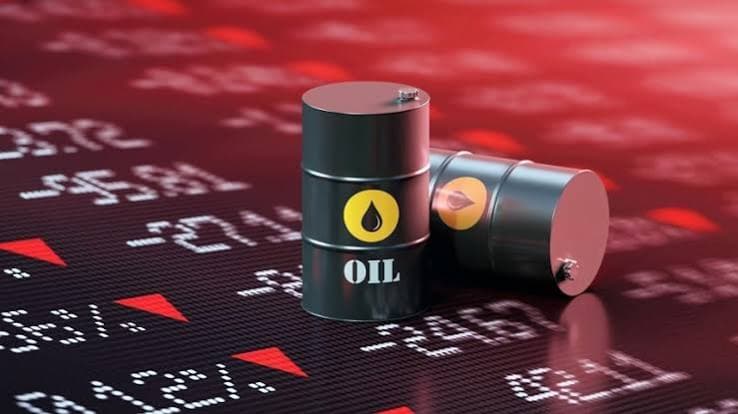
Introduction: The Iraqi economy is one of the most reliant on oil revenues in the region, with oil serving as the primary backbone for financing the state's general budget. As global oil price fluctuations continue, a persistent question arises regarding the extent to which developmental and service projects are impacted by these changes.
The Challenges of Oil Dependency
The near-total reliance on crude oil exports leaves the Iraqi economy highly vulnerable to global market shocks. A drop in prices leads directly to:
A decline in government revenues and an increasing budget deficit.
Delays in the execution of strategic and infrastructure projects.
Difficulties in securing financial allocations for public sector appointments and job grades.
Solution Strategies and Income Diversification
To overcome these recurring crises, economic experts emphasize the necessity of transitioning toward a diversified economy through:
Supporting the Private Sector: Providing incentives and facilities to investors to revitalize local industry and agriculture.
Developing the Gas Sector: Investing in associated gas to reduce energy imports and save billions of dollars annually.
Activating Non-Oil Revenues: Automating customs and tax systems to ensure the state treasury is supplied with sustainable financial resources.