The economic and commercial landscape in Iraq is facing cautious anticipation as the government deadline of September 30 approaches to resolve the issue of restricting weapons to state control. This scenario imposes complex challenges on the business and investment environment, amid fears that the United States might resort to activating coercive economic and financial tools in the event of non-compliance with the deadline, which would directly impact exchange rate stability and the flow of bank transfers.
The Context of the Crisis and the Risks of Shifting Towards Economic Sanctions
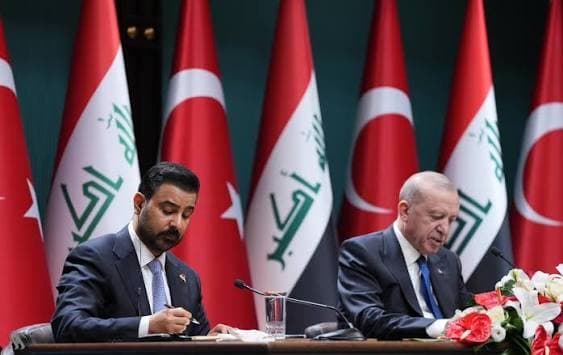
These developments follow the pledges made by Iraqi Prime Minister Ali Al-Zaidi during his meeting with US President Donald Trump last July. With five armed factions announcing their refusal to adhere to the final deadline, indicators are rising regarding the possibility of US pressure shifting from diplomatic and security tracks to strict financial measures.
The potential risks go beyond merely halting annual cash dollar shipments—estimated at between $8 and $10 billion—to include the possibility of imposing severe restrictions on Iraqi banks, complicating foreign transfer procedures, and expanding the circle of sanctions to encompass financial networks and commercial companies. This would raise international trade costs and weaken the stability of the local currency.
The sharp decline in foreign reserves, coupled with a significant increase in operational expenses according to data issued by the Parliamentary Finance Committee, indicates a shrinking fiscal space available for the state to absorb new crises, amid warnings of a widening financial deficit in the 2027 budget.
An Advisory Perspective from Ayman Mahdi Al-Jubouri & Partners for Legal and Financial Services
These geopolitical and economic variables present companies and financial institutions operating in Iraq with an urgent need to review their risk management and compliance strategies. The activation of any sanctions packages or new restrictions on the movement of funds requires commercial entities to take proactive measures to protect their cash flows and ensure business continuity.
We emphasize to our clients in the trade, contracting, and investment sectors the importance of the following steps:
Legal Auditing of Contracts: Reviewing force majeure clauses and change-of-circumstances provisions in international and domestic commercial contracts, ensuring their flexibility to absorb the shocks of exchange rate fluctuations.
Financial and Banking Compliance: Verifying the integrity and validity of financial transfer sources and their full alignment with international compliance standards to avoid asset freezing or the disruption of commercial operations.
Financial Restructuring: Diversifying financing channels and seeking safe, stable alternatives to manage corporate cash liquidity in times of crisis.
Our specialized team is dedicated to providing precise and up-to-date consultations to ensure the continuity of your business with the highest degrees of legal and financial security, helping you overcome the challenges imposed by the fluctuations of the current phase.