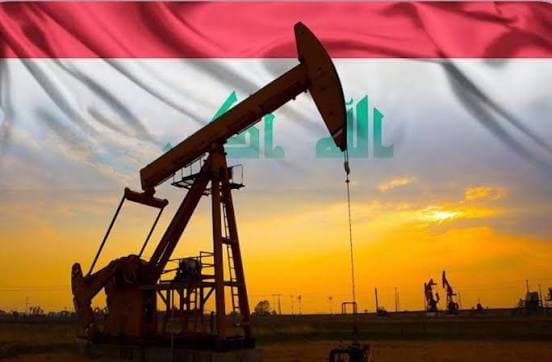
Iraqi oil prices have recorded a noticeable increase, with Basra Heavy crude rising to $54.04 per barrel and Basra Medium to $56.34. This comes at a time when global markets have witnessed a decline in Brent crude futures to $89.45 and West Texas Intermediate (WTI) to $83.90.
This gap in movement between local prices and global markets raises legal and commercial questions about the nature of crude oil sales contracts, how to regulate pricing mechanisms, and how to manage supply risks amidst escalating geopolitical unrest.
Official Selling Price (OSP) Mechanisms and Indexation Clauses
Iraqi crude sales contracts do not rely solely on instant spot prices; rather, they are subject to the "Official Selling Price" (OSP) mechanism and the benchmark indices of the target markets.
Legal Characterization: Designing energy sales contracts requires the precise drafting of Price Adjustment Clauses to ensure the stability of commercial transactions and to prevent disputes over the differentials between heavy and medium crudes compared to global indices.
Contractual Risks: The persistence of the price gap may prompt some buyers or suppliers to request the renegotiation of price premiums or discounts in long-term contracts.
Allocating Transport and Shipping Risks Amidst Military Escalation
Despite the expansion of military confrontations, oil shipments have continued to leave the ports, which brings us directly to the shipping and delivery terms (Incoterms) used in oil export contracts (such as FOB from Iraqi ports):
Transfer of Liability and Risk: In Free On Board (FOB) sales contracts, risks transfer to the buyer as soon as the crude is loaded. This necessitates careful legal monitoring of cargo insurance obligations.
Waiting and Delay Costs (Demurrage): Delays caused by inspections or security concerns in waterways can impose exorbitant costs known as demurrage. Determining who bears these costs requires airtight drafting of loading and unloading clauses in the maritime transport contract.
Legal Hedging Mechanisms and Loss Mitigation
The continued movement of shipments in a high-risk environment means that oil companies and traders need to protect their legal and financial assets through:
Activating Financial Derivatives and Hedging Agreements: To cover fluctuations in price differentials between national crudes and benchmark indices.
Hardship Clauses: These allow for contract modification if an obligation becomes overly burdensome due to structural economic changes, without reaching the stage of absolute impossibility of performance.
💡 Legal Advice: The volatility between national crude prices and global indices underscores the importance of reviewing "pricing clauses" and the "scope of force majeure and hardship" in all sales and supply contracts for petroleum derivatives before entering into long-term commitments.
How Can Our Legal Team Serve You?
Our firm provides comprehensive legal consultations for companies operating in the oil, energy, and international trade sectors, including:
Drafting and reviewing contracts for the sale and export of crude oil and petroleum products.
Managing disputes related to demurrage and maritime shipping contracts.
Providing legal analysis of contract risks and developing legal and commercial hedging strategies.
Do you need to evaluate your company's supply contracts to navigate energy price fluctuations? Contact our legal advisors today.