A New Iraqi Strategy to Diversify Oil Export Routes and Reduce the Risks of the "Strait of Hormuz"
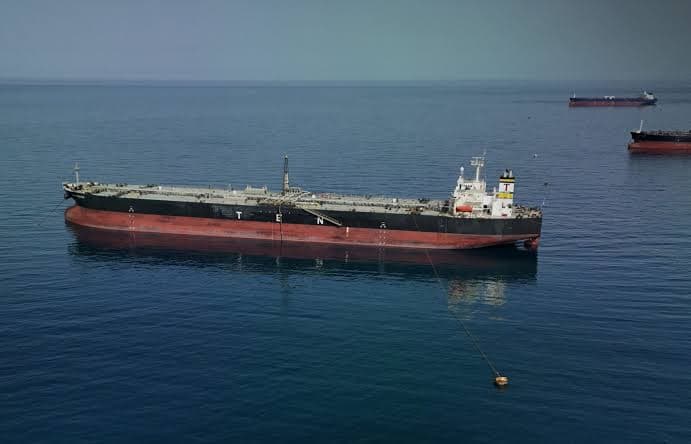
In light of escalating geopolitical challenges, the Iraqi government is moving toward adopting strategic policies to diversify crude oil export outlets. This aims to protect the backbone of the national economy from recurring disruptions in the Strait of Hormuz.
The Prime Minister, Ali Falih Al-Zaidi, revealed serious government efforts to bring Iraq's oil production to between 9 and 10 million barrels per day over the next six years, alongside demands for OPEC to increase Iraq's export quota.
Proposed Strategic Alternatives:
Mediterranean Outlets: According to international reports, the government is studying the activation of export lines to the Syrian port of Baniyas and the Lebanese port of Tripoli, thereby enhancing regional economic integration.
Northern and Southern Lines: Working to expand exports through the Turkish port of Ceyhan and the Aqaba route.
Existing Challenges: Despite the strategic importance of these alternatives, they require massive financial investments to rehabilitate ports (such as Baniyas and Tripoli), in addition to addressing security risks and protecting pipelines.
Summary: Iraq seeks to raise its oil production to 10 million barrels per day and is diversifying its export outlets toward the Mediterranean to reduce reliance on the Strait of Hormuz.