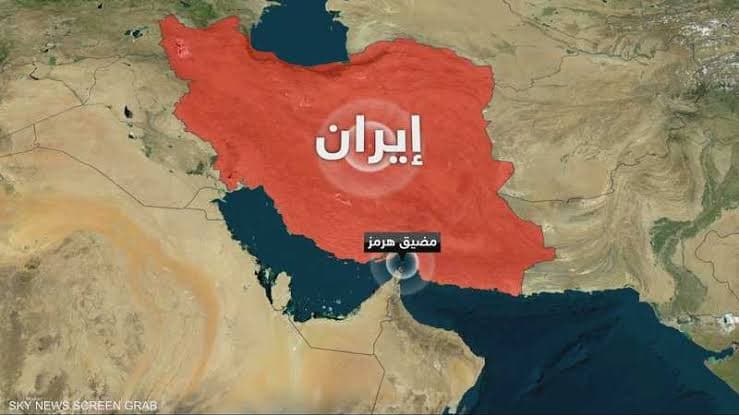
US President Donald Trump announced the recovery of global oil supply traffic through the Strait of Hormuz, approaching pre-escalation levels by recording approximately 18 million barrels per day compared to the previous 20 million barrels. This was achieved thanks to the US Navy escorting commercial shipping vessels. This development on the ground reflects a notable breakthrough in one of the most vital waterways for energy transport, but it opens the door wide to delicate legal and commercial issues related to maritime shipping contracts, insurance, and risk management for global companies.
Legal Implications of Securing Maritime Navigation and Shipping Contracts
The return of oil flows and the securing of maritime corridors with military escorts entail immediate legal obligations and changes for parties to international transport and trade contracts, most notably:
Amending War Risk Insurance Premiums: Despite the improvement in navigation traffic, insurance companies continue to impose strict conditions, which necessitates a careful review of insurance policy clauses to ensure a legally fair distribution of the additional cost burdens between shippers and charterers.
Terminating the State of Force Majeure: Companies that announced the suspension of their operations or invoked force majeure clauses as a result of previous security risks in the Strait are now obligated to reassess their legal positions to resume operations and avoid any legal claims for contract termination.
Settling Delay Disputes and Demurrage Fees: The reduction in risks and the smooth flow of traffic decrease the waiting periods for vessels, which contributes to resolving legal disputes related to delay compensation and port fines.