A sudden drop in oil prices by more than 4% despite geopolitical tensions in the Red Sea and the Strait of Hormuz, driven by profit-taking and news of Chinese efforts to de-escalate the situation between Washington and Tehran.
Global energy markets witnessed a dramatic end to the week, as oil futures tumbled by more than 4% in Friday's trading. This sudden decline countered expectations that had bet on a continuous rise in prices amid military escalation and the exchange of strikes between the United States and Iran, as well as Houthi attacks on ships in the Red Sea.
Reasons for the Decline: Profit-Taking and Beijing's Surprise
Analysts attribute this rapid decline to two main factors:
Profit-Taking: After Brent crude broke the $100 barrier in previous sessions (for the first time since last May), traders rushed to sell contracts to book profits, leading Brent crude to fall to $96.28 a barrel, and West Texas Intermediate (WTI) to drop to $88.58.
Chinese Mediation: Strong reports leaked indicating that Beijing has launched a quiet diplomatic campaign to resume stalled peace talks between Washington and Tehran. This injected a dose of optimism into the markets about the possibility of avoiding a full-scale regional conflict that could disrupt supplies.
The War of the Straits: Navigation Between Hormuz and Bab al-Mandab
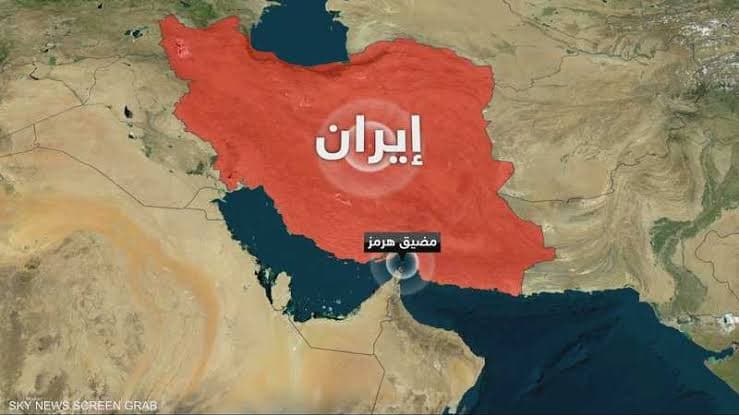
Despite the daily drop, prices are still recording weekly gains of about 7%, driven by a "geopolitical risk premium." The US President vowed "severe military punishment" following attacks on tankers, while Iran, through its allies, threatened to close the Bab al-Mandab Strait in response to the targeting of its infrastructure.
However, tracking data from Kpler showed that shipping traffic has not completely stopped. Despite a drop in ship crossings in the Strait of Hormuz to 3 ships per day, the Bab al-Mandab Strait recorded 32 ship crossings on Thursday. This prompted analysts at UBS to emphasize that the situation has not reached the stage of a "complete blockade."
Future Outlook: Will We See a Barrel at $114?
In light of this uncertainty, JPMorgan analysts warned that continued supply disruptions would add $7 to $8 to a barrel of Brent per month. If the crisis continues for three months, the monthly average price could jump to $114. This scenario remains a strong possibility, especially with low global inventories and the expansion of the conflict to include Russian strikes on Ukrainian ports and a halt in exports in Kazakhstan, keeping the energy market on edge.