Your legal guide to managing contractual risks and protecting supply chains amidst energy market fluctuations, international maritime navigation crises, and the challenges of transport through straits.
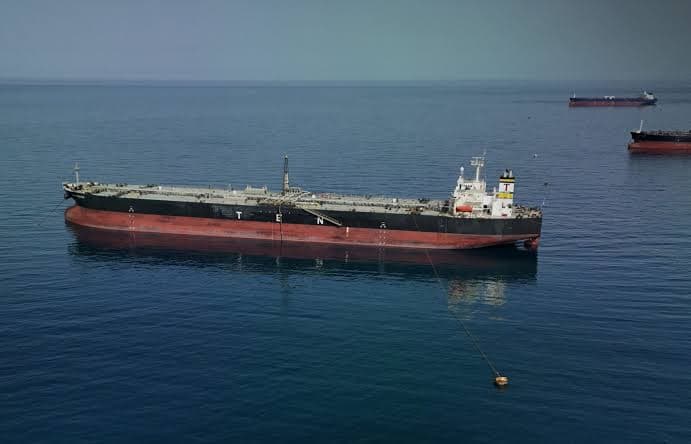
Geopolitical tensions in the Strait of Hormuz, in conjunction with the activation of alternative transit routes for transporting energy through regional ports, have redrawn the risk map in the international trade sector. These shifts in maritime traffic and energy markets impose major challenges on importing and exporting companies, which can only be confronted by drafting robust commercial contracts capable of absorbing economic shocks.
Economic Shifts and Their Contractual Impact
With oil-exporting entities resorting to adopting competitive pricing policies and changing delivery terms to Free On Board (FOB), legal and financial risks are directly transferred to purchasing companies and shipping lines. This radical change impacts broad sectors, from contracting to standard commercial supply.
Strategies for Legal Protection in Commercial Contracts
To protect the financial positions of companies from freight cost fluctuations and supply chain delays, commercial contracts must be structured according to the following principles:
Drafting Force Majeure and Hardship Clauses: A legal distinction must be made between the impossibility of execution (Force Majeure) and financial hardship (Emergency Circumstances). Drafting these clauses precisely allows companies to either suspend obligations without penalties or resort to the judiciary to restore the financial balance of the executed contract.
Determining the Risk Transfer Mechanism (Incoterms): Contracts must clearly define the exact moment when the bearing of loss and risk transfers from the seller to the buyer according to the International Chamber of Commerce. This determines the party responsible for surging marine insurance costs or damage to goods resulting from port bottlenecks.
Contract Claims Management: For companies contracting with the public sector, the delayed arrival of raw materials or exchange rate fluctuations tied to oil revenues requires activating legal claim mechanisms. This is necessary to extend execution periods and avoid the confiscation of letters of guarantee.
Proactive Legal Protection
At Ayman Mahdi Al-Jubouri & Partners Law Firm and Legal Consultations, we possess deep expertise in drafting international commercial contracts and managing contract claims. We aim to establish protective legal barriers that safeguard your cash flows and ensure the continuity of your business amidst the fluctuations of global trade.