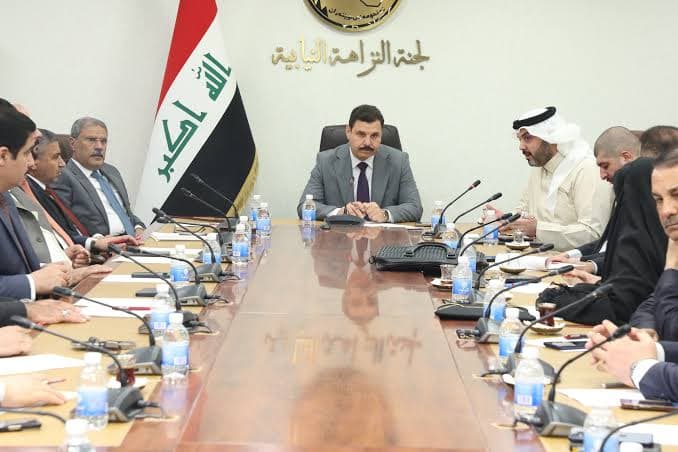
Introduction: In a decisive step to strengthen the rule of law and protect public funds, regulatory authorities, led by the Commission of Integrity, have launched a widespread campaign to audit the data of the National Retirement Board. These procedures have resulted in uncovering thousands of fictitious records and financial violations, highlighting the importance of legal compliance and institutional transparency in Iraq.
Monitored Violations and Their Legal Repercussions: Data cross-matching operations revealed the continued disbursement of salaries to more than 16,000 deceased individuals, alongside the existence of tens of thousands of electronic payment cards lacking updated data. From a legal standpoint, these practices are classified as crimes of intentional squandering of public funds. They necessitate the activation of laws for the recovery of looted funds and holding accountable the entities and individuals involved, whether through negligence or intent.
Legal Compliance and Corporate Governance: These strict regulatory measures emphasize the necessity of applying the highest standards of governance and compliance within financial institutions and electronic payment companies. Laxity in updating databases exposes these companies to legal accountability and massive financial fines.
The Role of Lawyers' Committees in Supporting the Private Sector: The new financial reality requires concerted efforts, including initiatives led by committees of lawyers specialized in corporate affairs at the Iraqi Bar Association. These efforts are needed to support the private sector, guide companies toward financial and legal safety, and ensure their adherence to anti-money laundering directives and regulatory authorities.