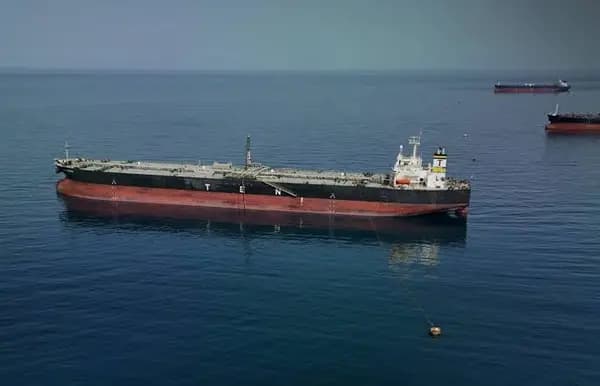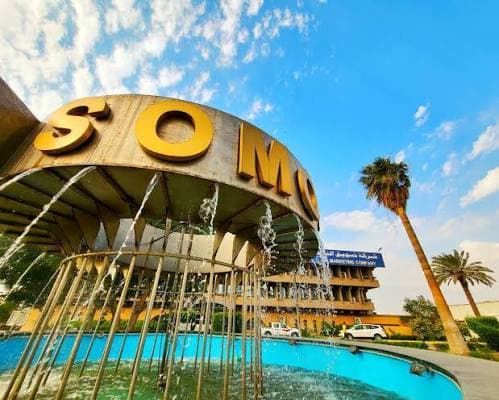
Data released by the Iraqi State Organization for Marketing of Oil (SOMO) revealed a critical financial reality for the first half of 2026. Oil revenues amounted to only about $18.68 billion as a result of exporting 268 million barrels. A simple comparison with the first half of 2025—where revenues exceeded $27.5 billion in just four months from exporting 606 million barrels—illustrates the magnitude of the sharp decline in the state's cash flows.
Since the Iraqi economy is highly rentier, any decrease in oil revenues immediately translates into a deficit in financing the investment budget. The primary victims of this deficit are the "contracting and supply companies" tied to government contracts (B2G), where the phenomenon of halted advances and delayed financial dues begins.
1. Legal Management of Payment Delays Delays by government entities in disbursing operational advances or final payments place the contractor in a financial predicament. To protect the company's rights, a strict legal protocol must be followed:
Documentation and Official Correspondence: The contractor must not settle for verbal promises. Official notices and letters should be sent to the beneficiary entity (the Ministry or the Governorate) documenting the due date of the payment and its delay, while explicitly pointing out that this delay affects the project's timeline.
Extension of Time (EOT) Claims: According to the General Conditions of Contract for Civil Engineering Works (and FIDIC conditions), the contractor is entitled to claim an extension of the completion time to avoid the imposition of delay penalties, if the cause of the delay is the non-disbursement of their financial dues.
2. The Right to Suspend Work If funding disruptions persist for long periods, the contractor is legally entitled (as per the contract conditions) to notify the resident engineer and the contracting entity of their intention to "Suspend Works" and slow down the pace of completion to minimize daily losses for equipment and personnel. The notice must be drafted in precise legal language to ensure the suspension is not characterized as "procrastination or abandonment of work," which would expose the company to the withdrawal of the work and confiscation of guarantees.
3. Compensation for Damages and Dispute Resolution When delayed funding causes an increase in project costs (such as rising raw material prices or labor wages), the contractor is entitled to submit Financial Claims for compensation. In the event of a rejection by the government entity, dispute resolution clauses are activated, whether through the Iraqi administrative and commercial judiciary, or by resorting to Arbitration if the contract stipulates it.
Conclusion and Solutions: Do not leave your company's dues hostage to general financial conditions. The team of lawyers and financial experts at Ayman Mahdi Al-Jubouri & Partners Co. specializes in managing major government contracts. We handle the drafting of contractual Claims, negotiate with state institutions, and represent major companies in arbitration and litigation proceedings to recover their dues in full value.