The oil sector is considered the main nerve of the Iraqi economy, serving as the primary engine for the state budget and the financing of development and infrastructure projects. However, as the country moves towards economic openness and forging major international partnerships, issues of financial and administrative corruption stand as a stumbling block to its growth ambitions.
Recent developments, namely the uncovering of a corruption network linked to the Deputy Minister of Oil, "Adnan Al-Jumaili," serve as an alarm bell highlighting the scale of economic damage caused by institutional corruption. In this analysis, we review how these massive thefts impact the fundamental pillars of the Iraqi economy and its investment environment.
1. Wasting Cash Liquidity and Erosion of the Public Budget
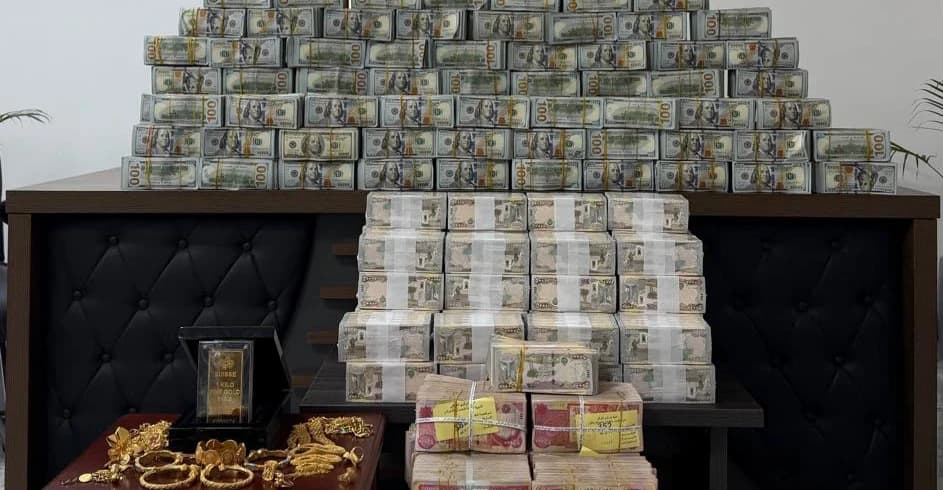
The figures revealed by recent security operations—where over $3 million and 750 million Iraqi dinars were seized from just one member of the network in Salah Al-Din Governorate—provide a dangerous indicator of the total volume of embezzled funds. These looted funds represent cash liquidity directly deducted from the public budget. This means a reduction in the state's ability to finance basic services and an increase in the financial deficit, which the government is then forced to cover through internal or external borrowing.
2. Paralyzing Infrastructure Projects and the Energy Sector
These thefts are often linked to tampering with government contracts and documents (a large portion of which was seized during the security operation). This manipulation leads to dire consequences on the ground:
Stalling of Projects: The suspension or delayed completion of strategic projects in the oil sector, such as developing refineries or laying export pipelines.
Cost Inflation: Awarding contracts to fake or incompetent companies at inflated prices, which reduces the quality of execution and drains the Ministry of Oil's budget.
Exacerbating the Services Crisis: Delays in the oil and gas sector directly reflect on other sectors, most notably electricity, which relies on fuel to operate its power plants.
3. A Blow to the Investment Environment and Foreign Capital Confidence
Capital is notoriously timid, and major global companies are constantly searching for investment environments characterized by transparency and the rule of law. The involvement of top officials in sovereign ministries in embezzlement cases sends negative messages to the international community. Foreign companies, especially American and European ones subject to strict anti-bribery laws (such as the US FCPA), may hesitate to enter the Iraqi market out of fear of legal risks. This deprives Iraq of the advanced technology and managerial expertise it desperately needs to develop its vital sectors.
4. Distorting the Local Market Through Money Laundering
The damage of these thefts is not limited to the state treasury; it extends to indirectly harming the local economy. The attempts by corruption networks to hide and launder these massive funds lead to:
Artificial Inflation: Pumping stolen money into purchasing luxury real estate or modern cars (as revealed by the seized items) leads to an insane spike in prices, burdening the average citizen and weakening their purchasing power.
Suffocating the Honest Private Sector: Monopolizing government contracts for the benefit of corruption networks pushes honest national companies out of the competitive circle, leading to the bankruptcy of some and a decline in employment rates.
The Positive Side: Accountability as a Step Towards Economic Recovery
Despite the gloominess of the current scene, the strict actions taken by the Intelligence Agency and relevant authorities in dismantling Al-Jumaili's network and confiscating funds and documents represent a positive economic turning point.
Future Vision: Proving the state's ability to strike at the heads of corruption and recover public funds serves as an official declaration of an improving business environment. These decisive measures are the real guarantee needed by local and international investors to ensure that the Iraqi market is heading towards transparency and that fair competition will govern the business sector in the upcoming phase.