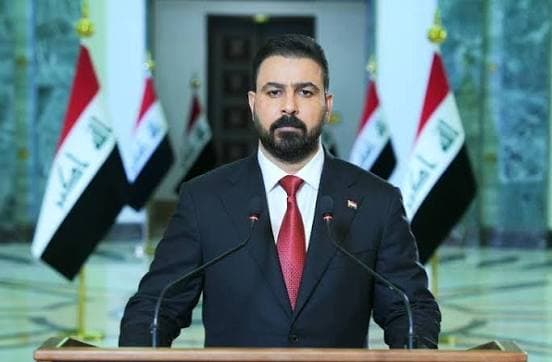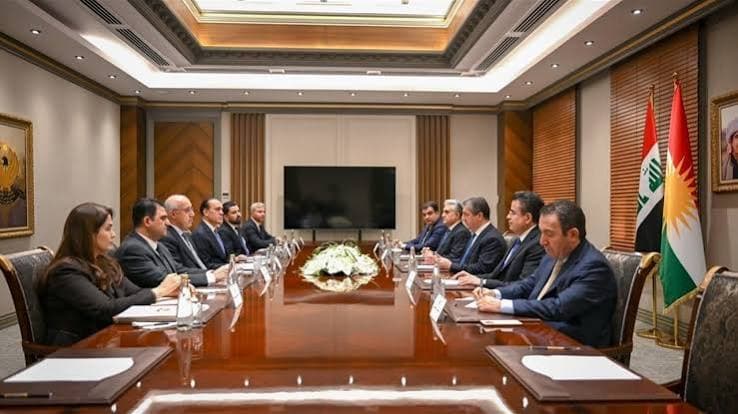
Bafel Talabani, President of the Patriotic Union of Kurdistan (PUK), announced his party’s official withdrawal from the Kurdistan Regional Government (KRG) and its non-recognition of the outcomes issued by the recent parliamentary session. This step reflects escalating political disputes over the mechanisms for forming the next government and managing political and administrative files in the Region.
These positions come in response to the Kurdistan Parliament session, which was held with the participation of the Kurdistan Democratic Party (KDP) bloc and a number of MPs from other blocs, amid a widespread boycott that included the Patriotic Union, the New Generation Movement, the Kurdistan Islamic Union, and other parliamentary blocs.
Key Positions and Themes of Talabani’s Statement
Stalling of Consensus Negotiations: Pointing to the failure of repeated rounds of dialogue to reach an agreement addressing the formation of a consensus government that fulfills the will of the voters.
Official Withdrawal: Announcing a complete withdrawal from the current government and affirming the non-recognition of any government, presidency board, or executive positions resulting from the recent session.
Parallel Administration Options: Hinting at taking reciprocal steps should unilateral appointments continue,including naming parallel positions within the party's administrative sphere.
Legal and Institutional Repercussions These developments place the political landscape in the Kurdistan Region before real challenges related to governance and the sustainability of the work of executive and legislative institutions. Observers of legal and administrative affairs emphasize the importance of resorting to constitutional frameworks and continuing dialogue among active parties to ensure the stability of the business environment, protect citizens' rights, and avoid any negative impacts on the regular functioning of public utilities.