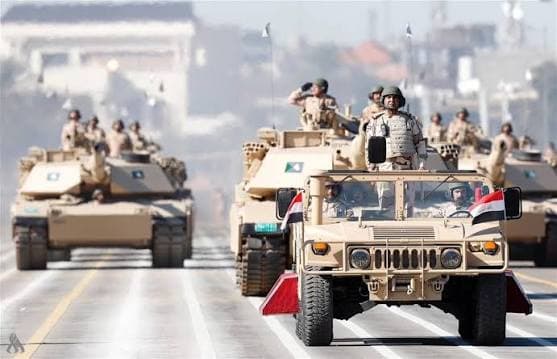
Iraq has come a long way in consolidating its internal security following the liberation battles against ISIS. Military operations have shifted from large-scale combat to reclaim cities into proactive, intelligence-driven operations reliant on precision airstrikes and the pursuit of remnants across rugged desert and mountainous terrains.
This security improvement has clearly reflected on daily life in major cities such as Baghdad, Mosul, and Anbar. Most concrete blast walls have been removed and closed roads reopened, spurring the resurgence of commercial activity, construction, and real estate investment. Yet, despite this sharp decline in terrorist threats, the security file confronts new domestic priorities, most notably:
Confining Arms to State Control: Working to end armed tribal disputes and curb the proliferation of unregulated weapons outside official state institutions.
Combating Drug Trafficking: Iraq's transition from merely a transit corridor for narcotics (such as Captagon and crystal meth) into a consumer market, rendering the disruption of international smuggling networks a top security priority requiring continuous border coordination.
Institutional Stability: Regulating relations and unifying chains of command among the Ministries of Defense and Interior, the Counter-Terrorism Service (CTS), and Popular Mobilization Forces (PMF) factions, ensuring the rule of law and maintaining security forces' discipline under the umbrella of the Commander-in-Chief of the Armed Forces.