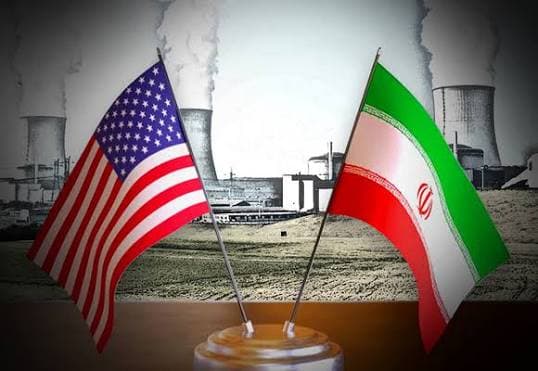
Iran’s Ambassador to Pakistan, Reza Amiri Moghaddam, announced that the exchange of indirect messages between Tehran and Washington—mediated by both Qatar and Pakistan—is continuing, noting that the pace of this communication has slowed compared to previous rounds of talks.
Mediation Track and the Islamabad Memorandum of UnderstandingIn an interview with CNN Arabic, Amiri Moghaddam explained that Doha and Islamabad are putting forward ideas and proposals that are being circulated and discussed with the participation of Iranian Foreign Minister Abbas Araghchi. The ambassador affirmed that the "Islamabad Memorandum of Understanding," signed last June, continues to serve as the primary reference framework for ongoing discussions with the U.S. side.
The Nuclear File and Warnings of Military RetaliationAmiri Moghaddam emphasized his country's readiness to negotiate, but described the confrontation with the United States and Israel as an "existential battle," warning that Iran has prepared itself for a decisive response and possesses "new surprises" should large-scale military operations resume.
Regarding the nuclear program, he reaffirmed Tehran's commitment to the Treaty on the Non-Proliferation of Nuclear Weapons (NPT) and stated that no decision has been made to withdraw from it, despite growing domestic public pressure calling for an exit from the treaty.
Diverging Negotiating Conditions Between Tehran and WashingtonThese statements coincide with each side holding firm to its preconditions before moving toward comprehensive negotiations:
Tehran's Conditions: Iran has set seven core conditions—topped by lifting the U.S. naval blockade on Iranian ports, implementing a ceasefire across all fronts, and easing sanctions—before restoring normal navigation through the Strait of Hormuz or entering into a comprehensive settlement.
Washington's Conditions: Conversely, the United States insists on guaranteeing the safety of maritime navigation and placing the Iranian nuclear file on the table in any preliminary talks.