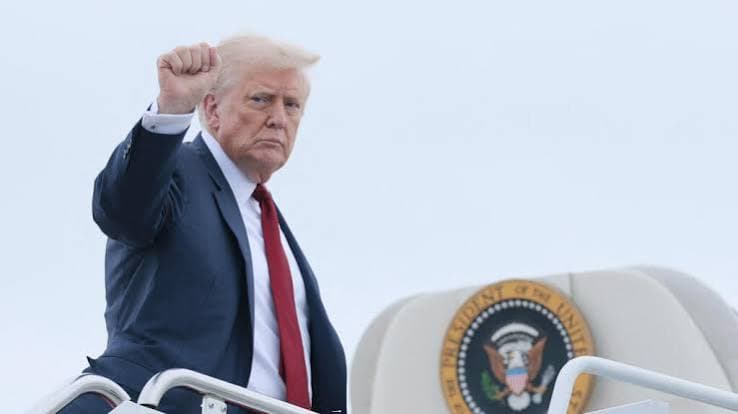
In a move carrying broad economic and geopolitical significance, U.S. President Donald Trump issued an executive order granting sweeping waivers from sanctions, restrictions, and tariffs that had been slated to target Russia-linked entities, just days before they were set to take effect. Trump justified this exceptional decision by stating that suspending these sanctions "serves the national interest of the United States."
The decision puts on hold the enforcement of legislation passed in mid-September 2026 (known as the Graham Act, named after the late Senator Lindsey Graham). The bill had threatened severe fallout across global supply chains, as it included tariffs of up to 100% on goods originating from the top five importers of Russian oil or gas, alongside provisions targeting any nation that continues purchasing Russian energy or aids in evading sanctions.
This reversal was met with relief among several major economic powers, foremost among them India—the largest importer of Russian oil—which had previously expressed deep concerns regarding the legislation's repercussions on the stability of global energy markets. This shift coincides with marked changes in Washington’s approach to the Ukrainian crisis and the U.S. administration's inclination toward reassessing trajectories surrounding the conflict.