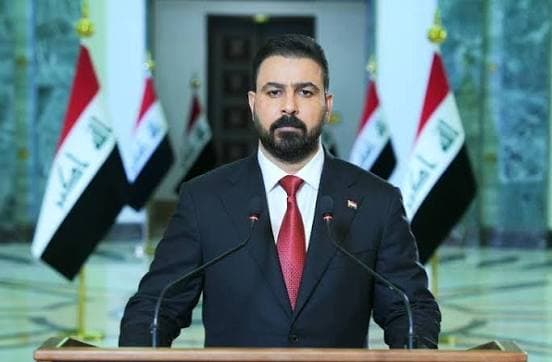
Khaled Al-Yaqoobi, Political Advisor to the President of the Republic and Spokesperson for the Iraqi Presidency, affirmed that ending armed manifestations and restricting weapons exclusively to the state requires mutual commitments from the international community and major powers—chief among them the United States—to respect national sovereignty and completely refrain from interfering in domestic affairs.
Al-Yaqoobi explained that restricting arms represents an enduring constitutional obligation incumbent upon any government that wins the confidence of parliament. He pointed out that the complexity of the issue stems from security accumulations dating back to 2003 and consecutive battles waged against terrorism, rendering it a gradual process that cannot be resolved overnight.
Behind the Scenes: Extending the Deadline for Handing Over Weapons
The presidential spokesperson revealed the success of Iraqi diplomatic efforts during the meeting between Prime Minister Ali Al-Zaidi and U.S. President Donald Trump in New York, where an agreement was reached on:
Extending the Timeline: Postponing the final deadline for handing over weapons to the end of June 2027.
Overcoming Prior Pressures: Averting the conditional deadline Washington had previously set for the end of last September, along with its accompanying threats of economic measures.
Providing an Opportunity for National Dialogue: Granting the necessary time frame for political forces to achieve a comprehensive settlement on the security file.
Challenges in Neutralizing Iraqi Airspace
Regarding the prospects of a regional confrontation, Al-Yaqoobi pointed to the difficulty of shielding Iraq from the fallout of the Tehran–Washington conflict, citing the lack of respect for sovereignty and the use of Iraqi airspace in reciprocal military operations.
He explained that Baghdad has repeatedly lodged complaints with the UN Security Council to halt these violations to no avail, warning that any new round of escalation would cast a direct shadow over the country's security and economic realities.
Complex Mediation and Pressures on Oil Exports
Al-Yaqoobi ruled out Baghdad's ability to broker mediation between the United States and Iran at the present time due to tangled interests and the complexity of the conflict's calculus, stressing that the priority lies in minimizing losses and sparing the country the fallout of a clash.
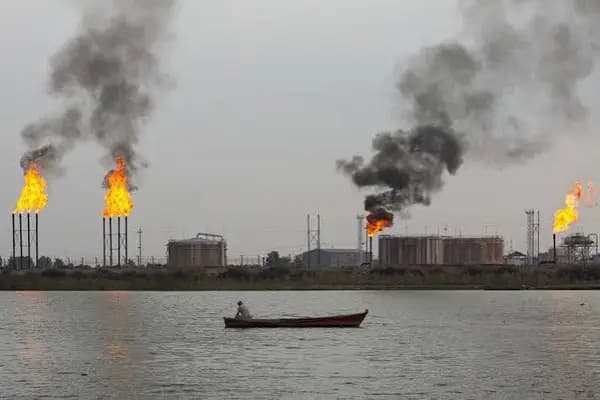
Economically, the presidential advisor acknowledged logistical hurdles facing the flow of crude oil exports through the Strait of Hormuz, as transit operations are subject to shifting costs and fees unlike before. He underscored that Baghdad is seeking to ensure the seamless flow of energy exports through regional contacts, though no definitive formula has been reached so far.