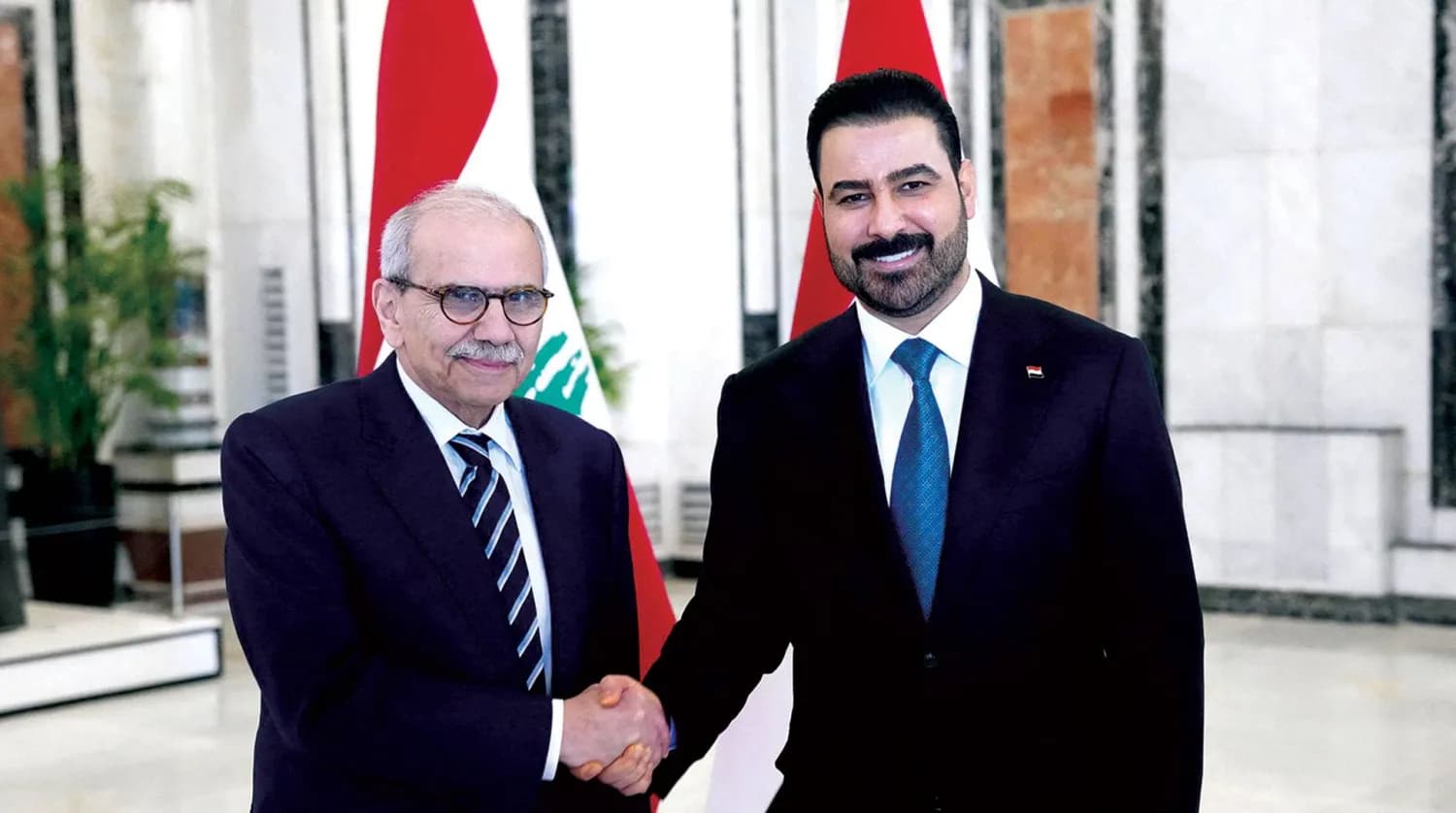
Lebanese Prime Minister Nawaf Salam is heading to Baghdad to discuss a strategic project to restart the oil pipeline connecting Iraq, Syria, and Lebanon, and to rehabilitate the Tripoli refinery in partnership with the American company Chevron.
Lebanese Prime Minister Nawaf Salam is traveling to the Iraqi capital, Baghdad, today, Sunday (July 26, 2026), leading a high-level government delegation that includes ministerial figures from the security and financial sectors.
This official visit comes to discuss the horizons of strategic cooperation between the two countries, foremost among them the oil pipeline project extending between Iraq, Syria, and Lebanon, which represents a turning point in the region's energy export map.
American "Chevron" Steps in to Revive Historic Oil Export Pipelines
According to a report published by Asharq Al-Awsat newspaper, this visit transcends traditional security and political dimensions to highlight the economy and energy files. The talks follow a pivotal development represented by the entry of the giant American company Chevron to revive the old export pipelines.
The American company has pledged to implement the project to revive these historic lines that have connected Iraqi oil to Mediterranean ports in Syria and Lebanon since the World War II era.
Restarting the Tripoli Refinery (IPC) and Rehabilitating the Kirkuk-Baniyas Pipeline
The core agenda for the talks between Nawaf Salam and Iraqi Prime Minister Ali Al-Zaidi includes the following files:
Rehabilitating the Tripoli Pipeline: Reconnecting and rehabilitating the pipe connected to the strategic (Kirkuk-Baniyas) pipeline.
Operating the Tripoli Refinery (IPC): Breathing life back into the historic refinery to secure oil needs and develop refining capacities.
Developing Northern Lebanon: Breaking the developmental and economic stagnation extending across northern Lebanese regions by creating job opportunities and sustainable energy projects.
This step has been widely welcomed by Lebanese political and trade union circles, due to its direct positive repercussions on the energy sector and economic growth in the country.