An analysis of the significance of adopting electronic fuel cards and digital payments in distributing kerosene quotas and refined products, and its role in curbing financial waste and achieving transparency.
Introduction: The Transition from Traditional Administration to Digital Governance
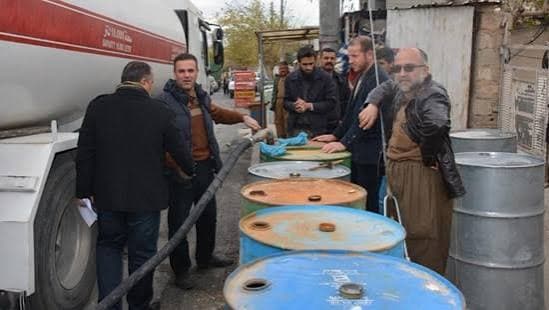
The shift toward automating government procedures represents one of the most critical pillars of administrative and economic reform in public institutions. As the Ministry of Oil launches the distribution of kerosene quotas via electronic fuel cards linked to a digital payment system, the outlines of a broader strategy emerge—one aimed at dismantling conventional, manual distribution mechanisms that have long suffered from procedural bottlenecks and subsidy leakage risks.
Pillars of the Fuel Card System and Its Economic Impact
Adopting electronic payments extends beyond merely replacing cash transactions; it establishes an integrated data ecosystem that ensures the following:
Targeting Accuracy for Subsidies: Identifying actual eligible beneficiaries and preventing duplicate claims for designated quotas (100 liters per household).
Closing Black Market Outlets: Confining subsidized fuel movements to fully tracked digital distribution channels,from storage depots to retail dispensing outlets.
Financial Inclusion: Encouraging a broad segment of society to adopt and use digital payment tools, thereby accelerating the integration of the informal economy into the formal banking system.
Operational Challenges and Sustainability Requirements
The success of digitization in the energy sector demands sustained coordination among relevant stakeholders to upgrade Point-of-Sale (POS) infrastructure, establish prompt technical support centers for citizens across governorates, and roll out continuous media awareness campaigns. Clearly communicating the ease and benefits of these mechanisms is essential to ensuring smooth implementation and long-term sustainability.