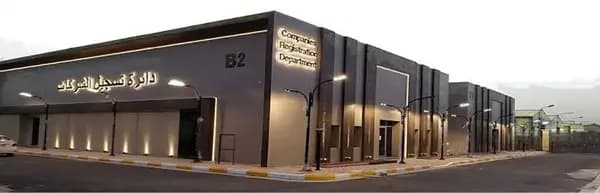
The Federal Board of Supreme Audit's report reveals that public companies are withholding over 26 trillion dinars, and MP Sami Oshana opens the file on financial waste and land distribution violations, demanding urgent accountability.
MP Sami Oshana revealed shocking details contained in the latest reports of the Federal Board of Supreme Audit, highlighting a massive financial gap and the absence of huge sums of revenues from the state's public treasury. These statements open the door wide to serious questions about the mechanisms of oversight and the level of financial waste in self-financing institutions and government companies.
Wasted Funds and Missing Trillions
Oshana explained in his televised statements that the Federal Board of Supreme Audit's report proved conclusively that a number of public companies, in addition to some self-financing administrations like the port administrations, have refrained from paying the public treasury's share of annual profits and revenues.
The total value of these accumulated and unpaid funds reached 26 trillion, 435 billion, and 661 million Iraqi dinars. This massive figure, which is sufficient to finance strategic infrastructure projects or cover the budget deficit, remains withheld by these entities without clear legal or administrative justifications. This raises major question marks about the fate of these funds and how they are managed outside the framework of the federal budget.
Luxury Cars and Unfair Land Distribution
The financial hemorrhage did not stop at withholding revenues, but extended to include absurd spending practices that contradict the principles of rationalizing government consumption. The MP pointed out that significant exaggerations were detected in the purchase of government vehicles, with some departments and figures owning fleets of vehicles that far exceed their actual and operational needs, constituting a continuous drain on public funds under the guise of operational expenses.
Furthermore, Oshana touched upon a highly sensitive file related to the existence of strong indicators of administrative violations and transgressions in the distribution of land plots within some institutions—a file that has long been associated with suspicions of favoritism and influence-peddling.
Urgent Calls for Investigation and Accountability
Faced with this serious data, MP Oshana issued an explicit call to regulatory and judicial authorities to open extensive and transparent investigations. He emphasized the necessity of summoning the directors of these companies and institutions and holding them legally accountable for the reasons behind obstructing the remittance of funds to the state treasury, stressing that protecting public funds requires bold decisions that end the state of impunity and restore discipline to government institutions.